Cross-Stitch Project Price Calculator
Simple, friendly, and fair. Let’s value your handmade work 💛
How to Price a Cross Stitch Project Fairly
Pricing handmade cross stitch involves more than adding up the cost of fabric and floss. A fair price should also account for the hours you spend stitching, finishing materials, packaging, business overhead, marketplace fees, project complexity, profit, and any applicable tax.
This free cross stitch price calculator brings those costs together and gives you a practical starting price for a finished cross stitch, custom embroidery order, framed project, ornament, or handmade gift. Enter your real costs, choose the options that apply, and review the suggested price before quoting a customer or publishing a listing.
The result is an estimate, not a fixed rule. Always compare it with your current marketplace fees, local tax requirements, product quality, experience, and what customers in your market are willing to pay.
How to Use the Cross Stitch Price Calculator
1. Enter your material costs
Start with the materials used for this specific project:
- Fabric price: Enter the cost of the piece of Aida, evenweave, linen, or other fabric used for the project.
- Thread price and quantity: Enter the price per skein and the number of skeins you expect to use.
- Finishing or frame: Include a hoop, frame, backing fabric, trim, stocking lining, hanging loop, or professional finishing.
- Other materials: Add needles, beads, ribbon, interfacing, printing, markers, or any other project-specific supplies.
Do not ignore small expenses. Several low-cost items can noticeably reduce your earnings when they are repeated across many orders.
Not sure how much thread your design requires? Use the Cross Stitch Thread Calculator to estimate floss length and skeins, or check your available colors with the Floss Usage Calculator.
2. Calculate the cost of your stitching time
Enter the total number of hours worked and the hourly rate you want to use. Your time may include more than stitching:
- preparing fabric and threads;
- reading and marking the pattern;
- stitching full crosses and special stitches;
- adding backstitch, beads, or French knots;
- washing, pressing, finishing, and packaging;
- communicating with a customer about personalization.
If you do not know the total time, open Estimate from stitches inside the calculator. Enter the approximate stitch count and your average stitching speed. The tool will estimate the hours and place them in the pricing calculation.
For a more detailed project schedule, use the free Cross Stitch Time Calculator and Project Planner.
3. Add business overhead
Overhead covers the general expenses that help you create and sell your work but are difficult to assign to one project. Examples include:
- lighting and electricity;
- tools and equipment;
- workspace expenses;
- software and printing;
- listing photography;
- replacement supplies and general business costs.
The calculator starts with a 15% overhead setting, but you can adjust it to reflect your own situation.
4. Enter platform and payment fees
If you sell through Etsy, another marketplace, PayPal, Stripe, or your own website, enter the current percentage and fixed fees that apply to the order. Fee structures can change, so check the platform’s current seller information instead of relying on an old percentage.
If you include delivery in the advertised product price, turn on Shipping and enter the amount you expect to pay.
5. Select any relevant project extras
Some projects take considerably longer than their stitch count suggests. Use the optional extras only when they genuinely apply:
- dark fabric;
- small-count fabric;
- many isolated single stitches;
- rush orders;
- beads, ribbon, or other special techniques;
- pattern cost;
- packaging and shipping.
These options help you avoid charging the same price for a simple project and a much more demanding one.
6. Add profit and tax
Choose either Margin % or Target amount in the calculator. In percentage mode, the selected percentage is added on top of the calculated project costs. In target mode, you can enter the specific amount you want the project to earn.
Select USD, EUR, or GBP, then enter tax or VAT only when it applies to your sale. Tax rules vary by country, business structure, and marketplace, so consult a qualified local professional if you are unsure.
What Is Included in the Suggested Price?
The live summary combines the values you entered and shows:
| Pricing component | What it covers |
|---|---|
| Materials | Fabric, floss, finishing supplies, and other materials |
| Time | Hours worked multiplied by your hourly rate |
| Overhead | General business expenses allocated to the project |
| Fees | Marketplace, payment, fixed, and selected shipping costs |
| Profit | Your selected percentage or target amount |
| Tax | The tax or VAT percentage you entered |
The suggested range is 10% below and 10% above the calculated result. Use it to compare possible prices, but do not automatically choose the lowest number. A custom, carefully finished piece should not compete with mass-produced decor on price alone.
The simplest pricing formula is materials + labor + project extras + overhead + fees + profit + applicable tax. Before publishing a price, confirm that you included preparation, finishing, customer communication, packaging, and any difficult techniques. You can save the current project in your browser, download a PDF quote, or create a shareable image from the calculator summary.
Plan Your Next Cross Stitch Project
If you are calculating a new design, these free tools can help you plan the materials and time more accurately:
- Cross Stitch Fabric Size Calculator – calculate the fabric cut from stitch count, fabric count, and finishing allowance.
- Cross Stitch Thread Calculator – estimate thread length and the number of skeins required.
- Cross Stitch Time Calculator – estimate stitching hours and build a project schedule.
- Free Cross Stitch Calculators and Tools – open the complete collection of planning tools.
For help choosing supplies, read Best Materials and Tools for Cross Stitching and How Many Strands of Floss Should I Use?.
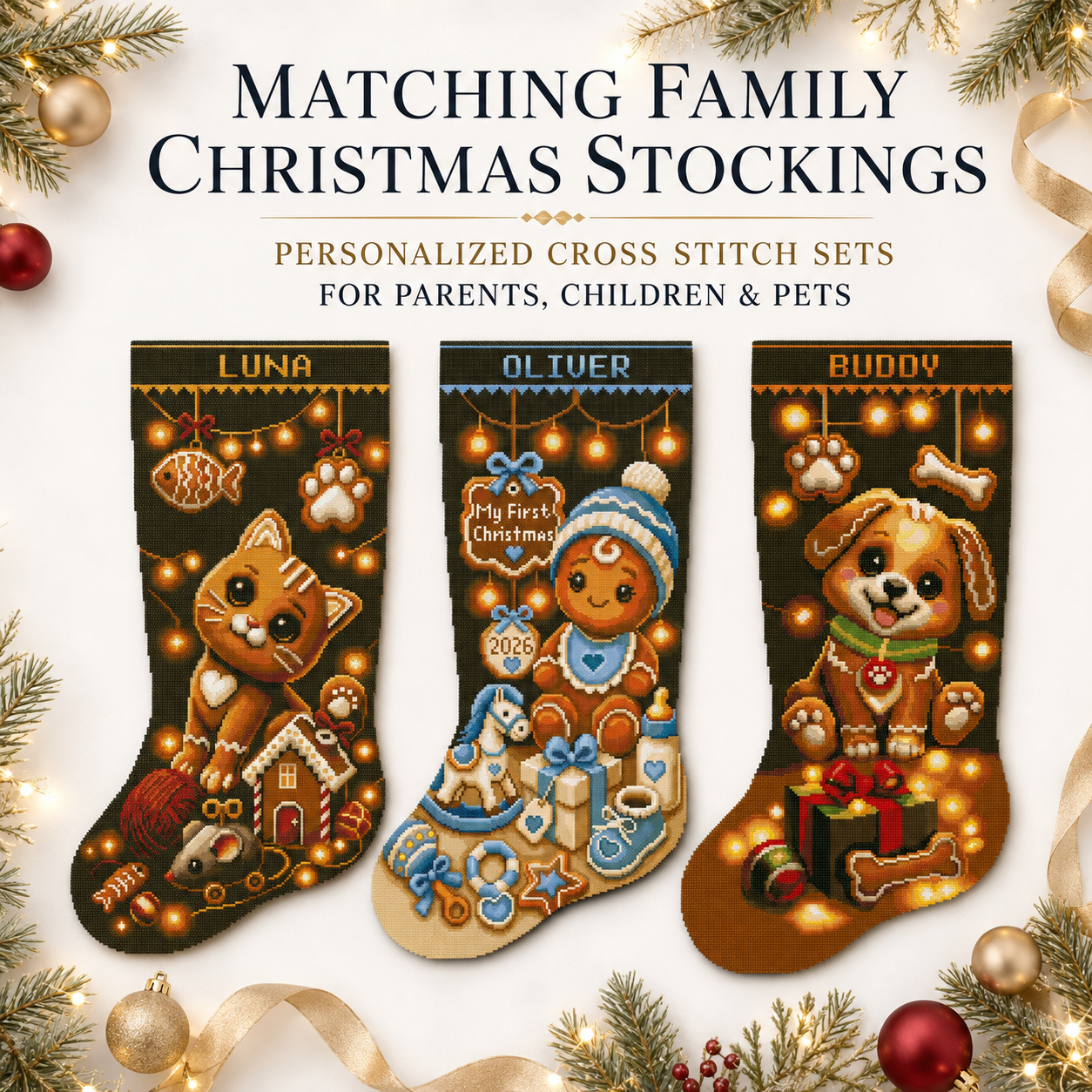
Looking for a Ready-to-Stitch Christmas Stocking?
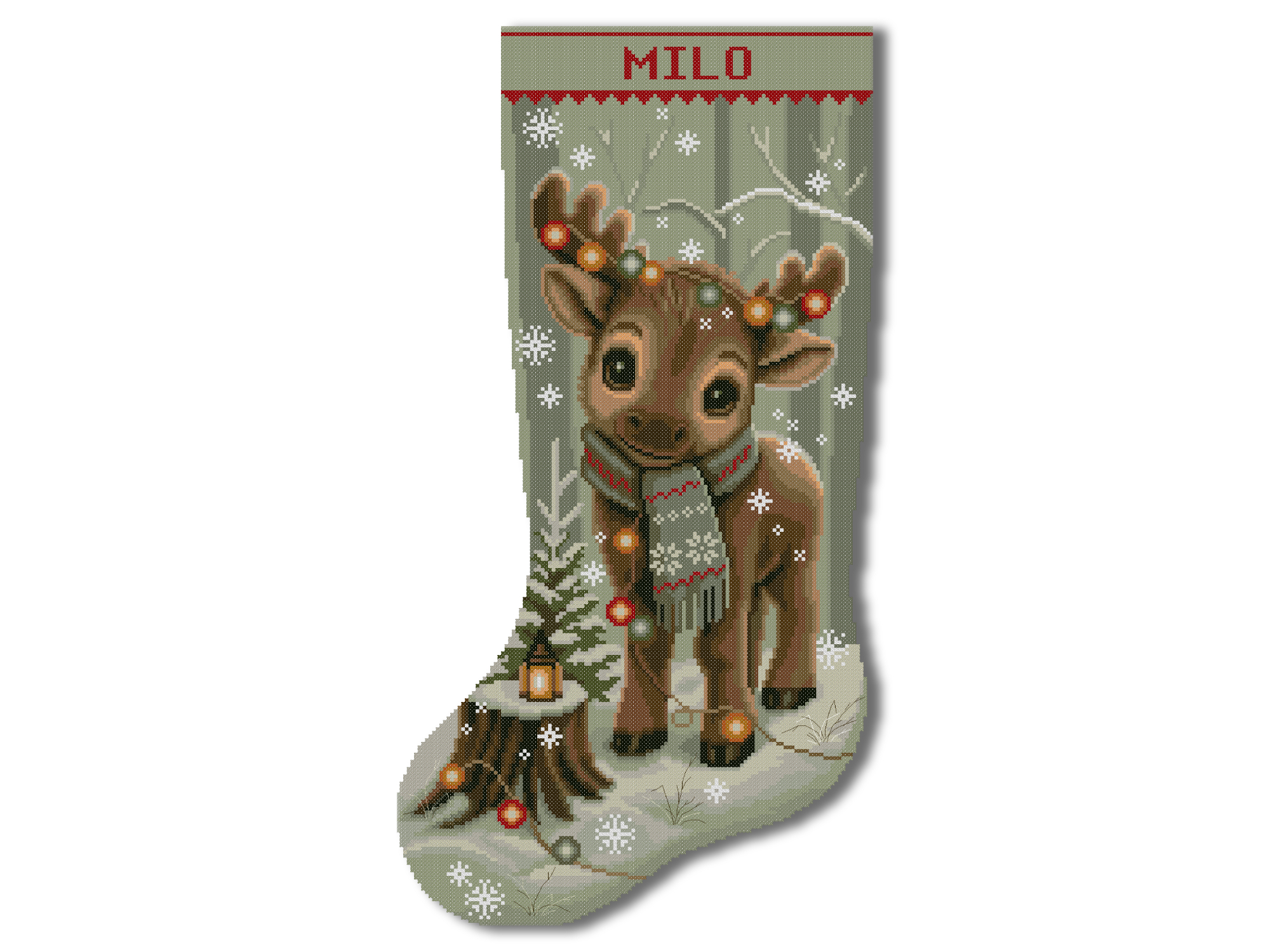
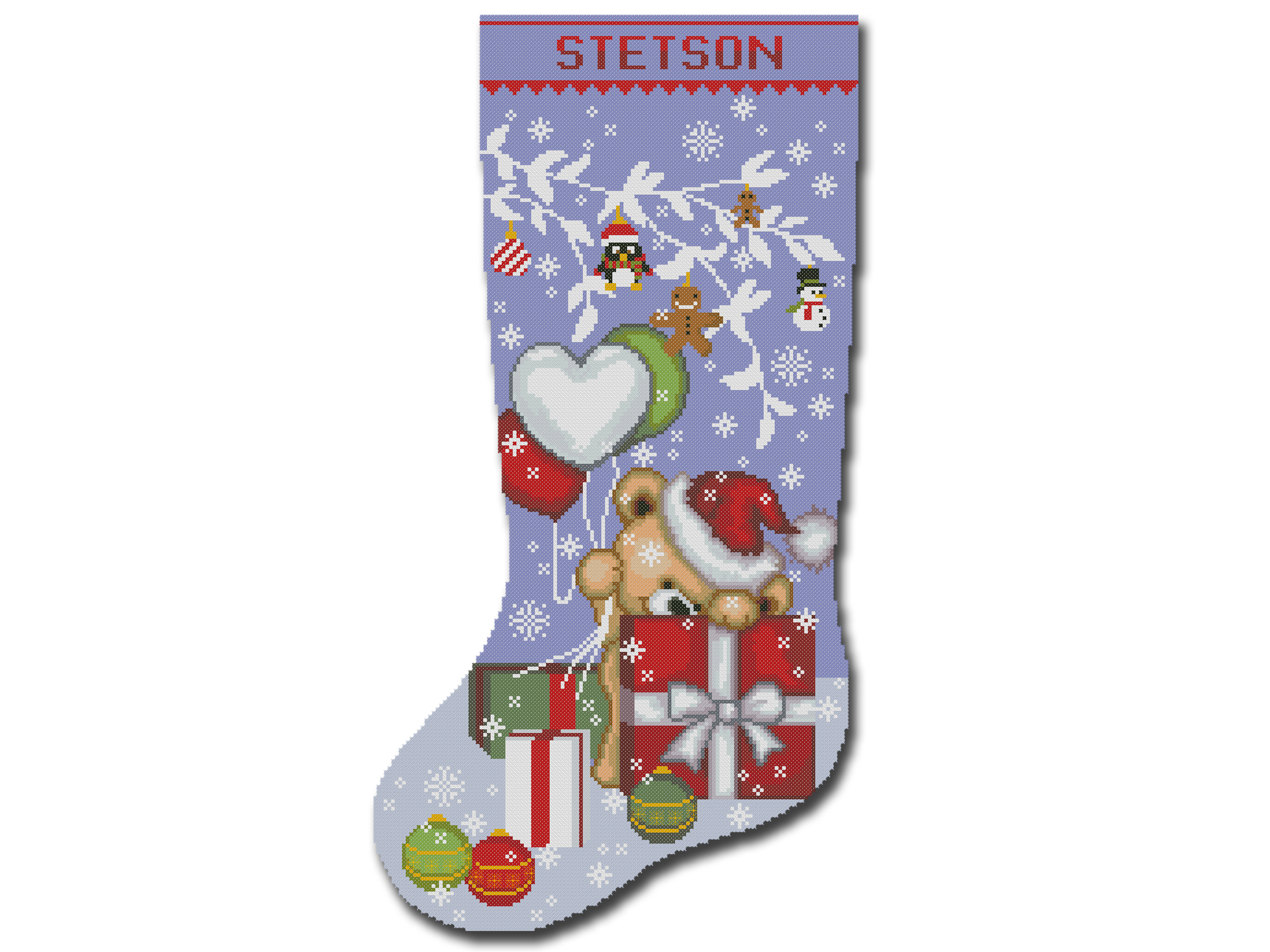
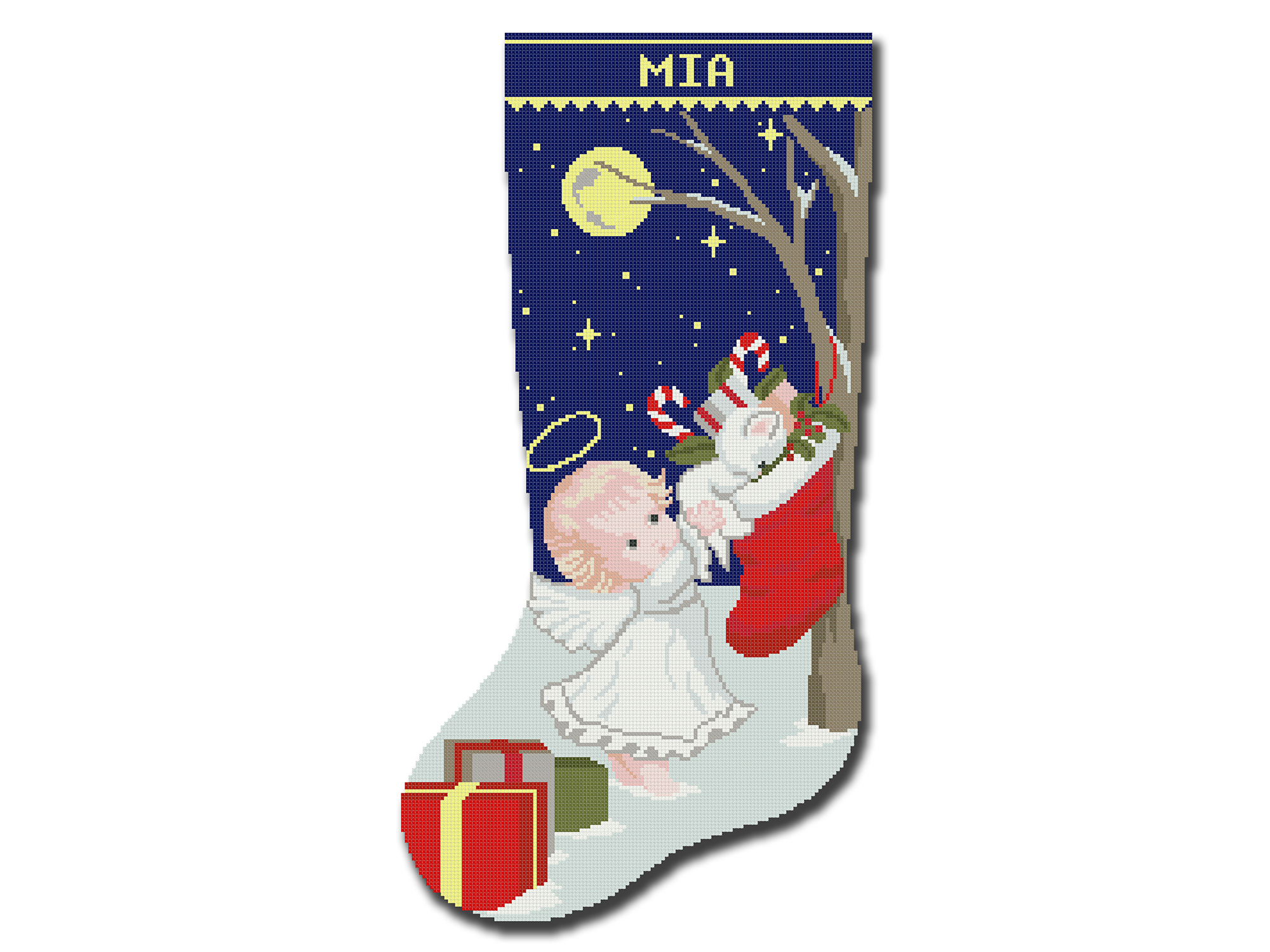
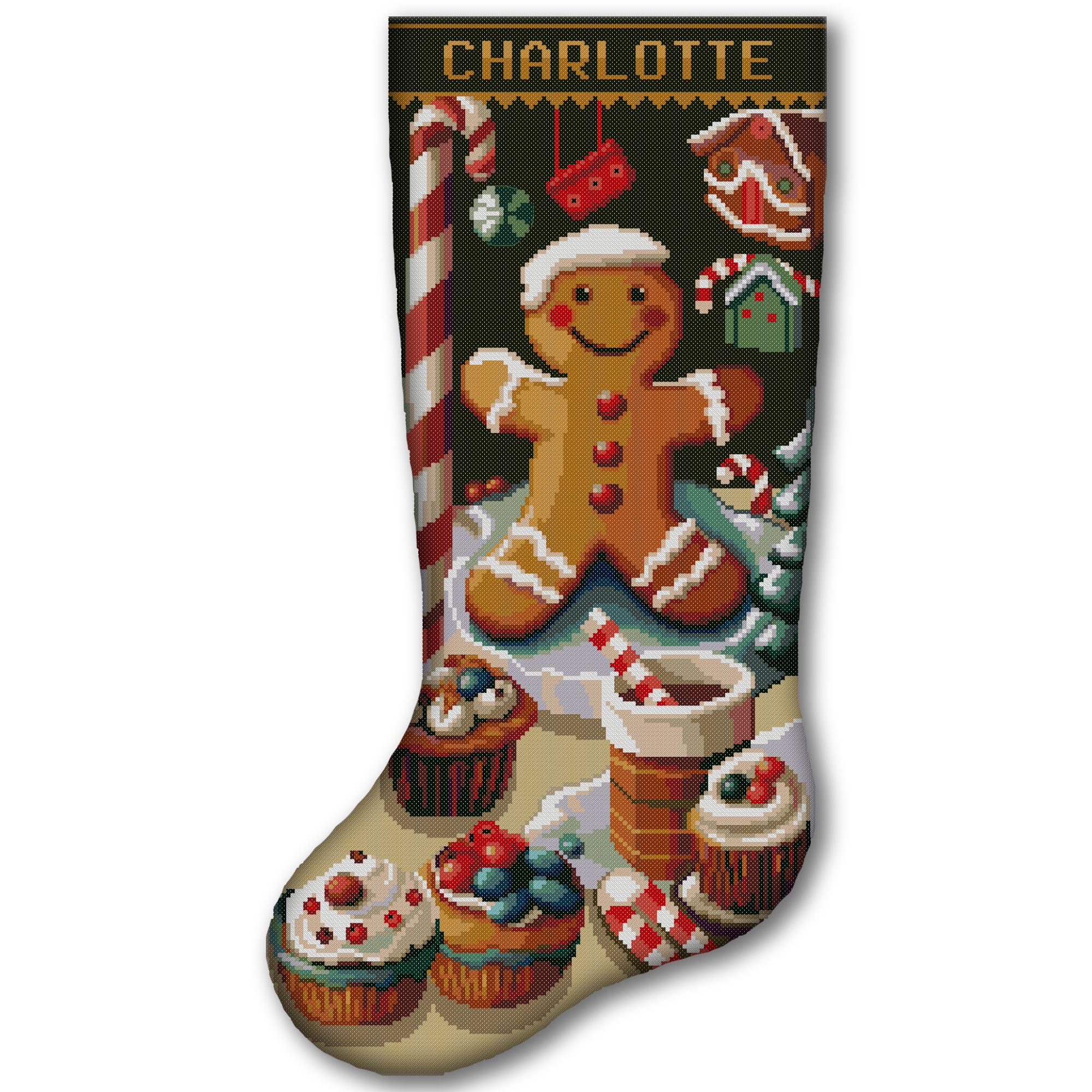
CrossStitchStyleArte creates personalized Christmas stocking projects for different stitching preferences:
- Stamped Christmas Stocking Kits with the design printed directly on the fabric;
- 2-in-1 Stamped and Counted Christmas Stocking Kits for stitchers who want both options in one kit;
- Christmas Stocking Cross Stitch Patterns available as downloadable PDF charts.
If this is your first stocking project, start with the Complete Beginner Guide to Cross Stitching a Christmas Stocking or browse the Christmas Stocking Cross Stitch Guides.
Frequently Asked Questions
Is this cross stitch price calculator free?
Yes. You can use the calculator online without purchasing a product. Enter your project costs and time to receive an immediate suggested price.
Can I use this calculator for Etsy pricing?
Yes. Enter the current marketplace percentage, payment-processing percentage, and any fixed per-order fee that applies to your shop. Always verify the latest fees in your own seller account.
What hourly rate should I charge for cross stitch?
There is no single correct hourly rate. Consider your experience, stitching quality, local income expectations, project difficulty, and the type of customer you serve. Choose a rate you can realistically maintain rather than treating your time as free.
How do I price a cross stitch project if I did not track my hours?
Use the Estimate from stitches section. Divide the approximate stitch count by your average stitches per hour. Remember to add separate time for preparation, backstitch, washing, finishing, and packaging.
What materials should I include in the price?
Include fabric, floss, needles used up during production, beads, ribbon, backing, trim, interfacing, frames, hoops, printing, packaging, and any pattern purchased specifically for the project.
Is the calculated price guaranteed to be profitable?
No calculator can guarantee a profit. The result depends on the accuracy of the values you enter and does not replace current marketplace, accounting, or tax information. Treat it as a structured pricing estimate and review the final price before publishing it.